Why Customized Memory Care at Home Is the Future of Compassionate Assistance
Personalized memory care in the home is emerging as an vital solution for individuals facing cognitive challenges. By delivering support in a familiar environment, individuals can experience greater comfort and emotional stability. Personalized care plans and family involvement serve significant roles in this approach. In addition, the integration of technology offers innovative ways to monitor health and engage cognitively. As this model progresses, it raises critical questions about its more extensive implications for caregivers and families alike.
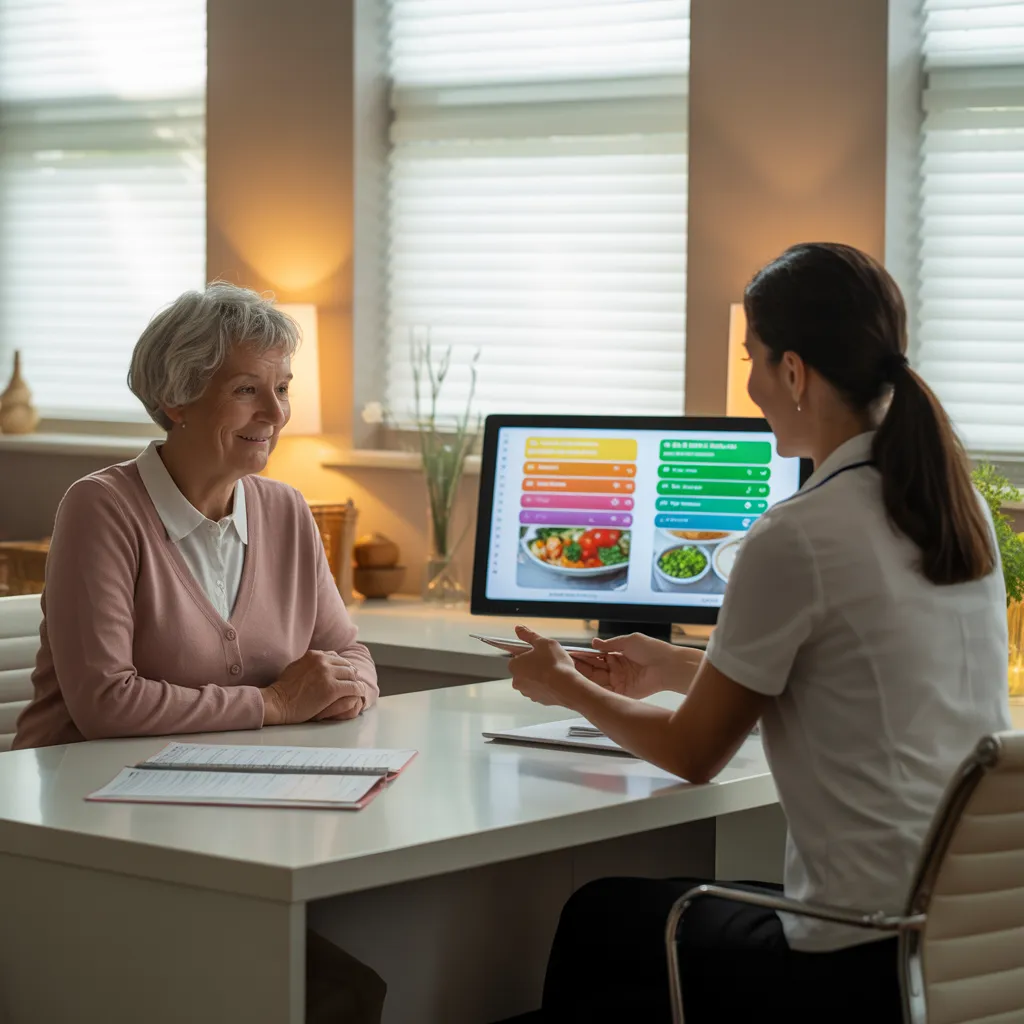
Why a Familiar Environment Matters
When people with memory impairments continue to live in a familiar environment, their mental comfort and cognitive abilities can substantially enhance. Recognizable environments serve as a cognitive anchor, delivering reassurance and stability that may ease anxiety. The presence of cherished objects, personal mementos, and recognizable people can evoke positive memories, improving emotional well-being. In such environments, people often find it simpler to navigate daily routines, as the predictability of their surroundings reinforces their cognitive processes.
Additionally, familiarity fosters a sense of self, which is crucial for those experiencing memory loss. It allows individuals to maintain a connection to their past, promoting a sense of belonging. Caregivers also benefit from this setting, as they can gain deeper insight into the preferences and habits of their family members. In the end, sustaining a familiar environment is critical for elevating the quality of life for those with memory challenges, bolstering both emotional and cognitive health.
Individualized Support Plans for Individual Needs
Individualized care plans are essential for addressing the distinct needs of individuals with memory difficulties. By adopting personalized care strategies, caregivers can confirm that each plan reflects the person's specific preferences and capabilities. Detailed individual assessments play a crucial role in recognizing these needs, enabling more efficient and compassionate support.
Personalized Healthcare Plans
Customized care plans play an important role in successfully addressing the specific needs of individuals living with memory loss. These strategies involve the development of tailored approaches that reflect each individual's preferences, routines, and distinct challenges. By integrating diverse therapeutic strategies, caregivers can create encouraging environments that foster independence and enhance quality of life. This may include structured daily activities, cognitive stimulation exercises, and sensory engagement customized to the person's interests. Additionally, family involvement is essential, as it helps to maintain emotional connections and reinforces familiar routines. Implementing these individualized care approaches not only strengthens daily functioning but also promotes a sense of dignity and respect for the individual, ensuring that their care experience is both understanding and personalized.
Tailored Personal Assessments
Effective memory care begins with individualized individual assessments that inform personalized care plans to address specific needs. These assessments are essential for understanding the intellectual, emotional, and physical difficulties faced by individuals with memory impairments. By assessing personal histories, preferences, and daily routines, caregivers can establish customized strategies that enhance the quality of life. This customized approach not only meets medical requirements but also considers social and emotional health, fostering a sense of dignity and respect. Additionally, ongoing assessments allow for adjustments to care plans as conditions change, ensuring that support remains relevant and effective. Ultimately, individualized individual assessments create the groundwork for caring and responsive memory care in the home, promoting a comprehensive approach to individual needs.
Technology's Impact in Home-Based Memory Care
How does technology contribute to better home-based memory care? Technology performs a critical function in strengthening the oversight and support of individuals with memory-related conditions. Smart home devices, like voice-activated assistants and monitoring systems, allow caregivers to ensure safety and foster independence. Wearable technology can record vital health metrics, warning caregivers to any meaningful changes in a individual's condition. In addition, dedicated applications created for cognitive stimulation deliver interactive activities that can improve memory and cognitive function.
Telehealth solutions enable regular check-ins with healthcare experts, allowing for timely interventions and changes in care plans. Virtual reality experiences can also deliver immersive environments that stimulate memories and encourage social interaction, reducing feelings of isolation. By implementing these technological solutions, families and caregivers can create a more successful, personalized approach to memory care in the home, resulting in improved health and quality of life for patients.
Boosting Relative Inclusion and Help
Even though the experience of providing care for a relative with memory impairments can be difficult, increasing family participation is essential for creating a supportive environment. Family members play an important role in identifying and fulfilling the mental and emotional needs of their family members. By actively participating in daily care activities, family can provide steadiness and familiarity, which are critical for persons experiencing memory loss.
Encouraging open communication among family members can also create a cohesive support network, guaranteeing that everyone is aligned in their caregiving approaches. Additionally, involving family in decision-making processes not only strengthens them but also reinforces their commitment to the care plan. Regular family meetings can enable sharing experiences, addressing concerns, and celebrating milestones. Ultimately, a united family front can significantly enhance the quality of life for individuals with memory-related conditions, making them feel cherished and understood throughout their care journey.
Cost-Effectiveness of In-Home Memory Care
In-home memory care can be a financially viable choice for families managing the complexities of memory-related conditions. When compared with traditional assisted living facilities or nursing homes, in-home care often incurs lower overall expenses. Families save on facility fees and can tailor care to specific needs, eliminating unnecessary services and optimizing resource allocation.
Additionally, home-based memory care permits individuals to stay in familiar surroundings, which can improve emotional well-being and potentially minimize the need for more intensive care over time. By utilizing local caregivers or family members, families can additionally lower costs while fostering a positive environment.
Furthermore, in-home care services provide flexible pricing structures, helping families to determine the level of assistance necessary, whether it be full-time care or occasional respite care. This adjustability makes in-home memory care a financially sustainable option that fits both emotional and practical considerations for families addressing these challenges.
Tackling Safety and Security Matters
While the convenience of home is essential for persons with memory-related conditions, managing safety and security matters is equally significant. Providing a secure environment aids in mitigate risks associated with wandering, confusion, and potential accidents. Home alterations, such as installing grab bars, removing tripping hazards, and securing windows and doors, can substantially improve safety. Additionally, technology plays a crucial role in safeguarding people; GPS tracking devices and motion sensors can provide peace of mind to families and caregivers.
Regular communication with healthcare providers is critical for monitoring any changes in the person's condition, permitting timely adjustments to the care plan. Caregivers should also be trained to recognize potential hazards and respond appropriately in emergencies. By emphasizing safety and security, personalized memory care in the home not only cultivates a nurturing environment but also empowers people with memory-related conditions to live as independently as possible while minimizing risks.
Inspiring Success Stories: Real-Life Examples of At-Home Memory Care
Customized memory care at home has proven effective for numerous families managing the complexities of memory-related conditions. One notable success story features the Johnson family, who put into place a customized care plan for their mother with Alzheimer's disease. By including familiar routines and engaging activities, they witnessed meaningful improvements in her mood and cognitive function.
Likewise, the Martinez family leveraged technology to keep their father linked. They organized virtual family gatherings and utilized memory aids, which not access this information only strengthened his sense of belonging but also reduced feelings of isolation.
A further illustration is the Smiths, who hired a professional caregiver specializing in dementia care. This support helped them balance their obligations while making certain their family member received tailored, empathetic attention at home. These accounts illustrate how customized approaches can create purposeful, caring environments for people with memory impairments, fostering respect and engagement in their daily lives.
Questions & Answers
What Training Should Caregivers Have for Personalized Memory Care?
Care providers for customized memory care need to have qualifications that include specific training in cognitive impairment care, solid communication skills, compassion, patience, and the skill to develop personalized care plans adapted to each person's specific needs.
How Can I Decide if Home Care Is the Right Choice for My Loved One?
To determine if home care is suitable, it's important to evaluate the loved one's needs, preferences, and health status, while taking into account caregiver qualifications, available resources, and the potential for preserving independence and comfort in a familiar environment.
What Are the Signs That Memory Care Is Needed?
Warning signs that memory care is needed include persistent forgetfulness, disorientation, challenges managing daily tasks, mood shifts, withdrawal from social activities, and safety concerns. Identifying these indicators early can help provide appropriate support and intervention.
With What Frequency Should Care Plans Be Evaluated and Revised?
Care plans must be reviewed and updated no less than every six months, or more often if substantial changes in the person's condition take place. This confirms the support continues to match developing needs and preferences.
Is It Possible for Personalized Memory Care Adapt to Changing Needs Over Time?
Customized memory care can certainly accommodate evolving needs over time. Regular assessments and customized adjustments make certain that care remains suitable, addressing evolving challenges while fostering a caring environment for residents experiencing memory-related issues.